
2026 Winter Meeting Highlights

Statistics
Attendees: 422
Exhibitors: 9
Total Abstracts:
Invited abstracts: 11
Oral abstracts 98
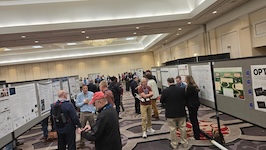
Posters Presentations: 69
Workshops: 4
Commercial Workshops: 3
Program Chair: Dyan Jones
The Annual Meeting Planning 2026 (AMP26) team : Kelli Warble, Aaron Titus, Dawson Nodurft, Bree Barnett-Dreyfuss, and Tony Musumba
The 2026 AAPT Winter Meeting was held at the Horseshoe Las Vegas, located right on the iconic Las Vegas Strip. With its convenient location, updated amenities, and access to world-class entertainment and dining, the venue provides an exciting backdrop for professional learning.
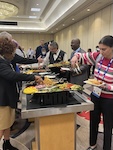
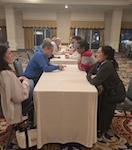
Attendees also enjoyed a variety of social opportunities such as the Welcome Reception, First Timers' Gathering, Game Night, Speed Networking, SPS Awards, and Teacher Share-a-Thon.
Meeting of the Members
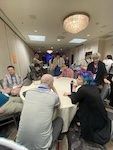
The 2026 AAPT Meeting of Members gave attendees the opportunity to learn about the governance and activities of their association. Secretary Bruce Mason reported on the results of the 2025 AAPT National Election and the Nominating Committee for 2026. The Chair of the Section Representatives, Richard Gelderman, shared information regarding the activities of the sections and the AAPT Treasurer, Jim Freerick’s reported on the financial position of the association. Executive Officer, Beth Cunningham and President Gabriel Spalding presented information on the status of AAPT programs and organizational changes.
Time during the meeting was devoted to honor the memory of prominent AAPT members who died during 2025: Ronald D. Edge, past AAPT President (1997-98), and Robert H. Romer (American Journal of Physics Editor (1988-2001).
Program
Sessions, sponsored by AAPT Committees, comprised the bulk of the educational content for the program.
Sessions addressed:
PER: Problem Solving, Assessing Impact
Enhancing Classroom Engagement
Introductory Labs
Hands-On Demonstration of Entrophy as the Most Statistically Probable Outcome
Computing in the Classroom: AI & PICKUP
Innovations in Teaching Astronomy
Reflections and Support for Early Career High School Teaching
Alternative Assessment
Intro/Integrated Physics for Life Sciences
Beyond the First Year
Using the AP Physics Science Practices Effectively
Efforts in Student and Faculty Support at Two-Year Colleges
21st Century Physics and Astronomy in the Classroom
Bridging the Gaps
Purposeful Affirmation: Building Community and Nurturing Physics Identity
Community Outreach and Partnerships
Quantum in K-12
Frontiers in Space Science and Astronomy
Encouraging Student Reflection
Interactive: Physics with Phones – Waves and Sound
Physics Through Narratives and Roleplaying
Capstone Research Projects and Astronomy Online Labs wit NASA Open Data & Micro Observatory
Discover Teaching Physics with Simphy
Quantum Education Promotion: Initiatives and Challenges
Educational Technologies for the Classroom
Using AI in the Physics Classroom
Plenary
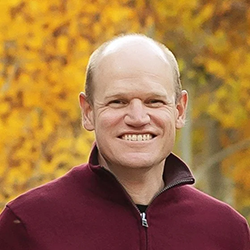 In Jason Steffen’s talk, “Seeds for Learning Astrophysics,” Steffen discussed how engaging students in the learning process challenges the best of teachers. When we provide a strong motivation for learning a given topic, we improve our chances of connecting the students with the material. Phenomenon-based learning, in a general sense, can provide some of that motivation if properly implemented. This approach can synthesize information from a wide range of disciplines and thus requires the teacher to have a broader and deeper base of understanding of the relevant material. The payoff can be worth it. He presented some examples of how this approach has improved student engagement in settings from K-12 classrooms, to astronomy-themed day camps (Camp Cosmos), to university classrooms, to professional development courses.
Steffen is an Associate Professor of Physics at the University of Nevada, Las Vegas. His work is primarily on the properties, formation, and dynamical evolution of planets and planetary systems. He was a long-time member of the science team for NASA’s Kepler mission where he contributed to the discovery and characterization of thousands of planets and planetary systems. Steffen is the author of the book “Hidden in the Heavens”, available from Princeton University Press (Fall 2024). Prior to joining UNLV, he was research faculty at Northwestern University and the Brinson Postdoctoral Fellow at the Fermi National Accelerator Laboratory near Chicago Illinois.
Awards
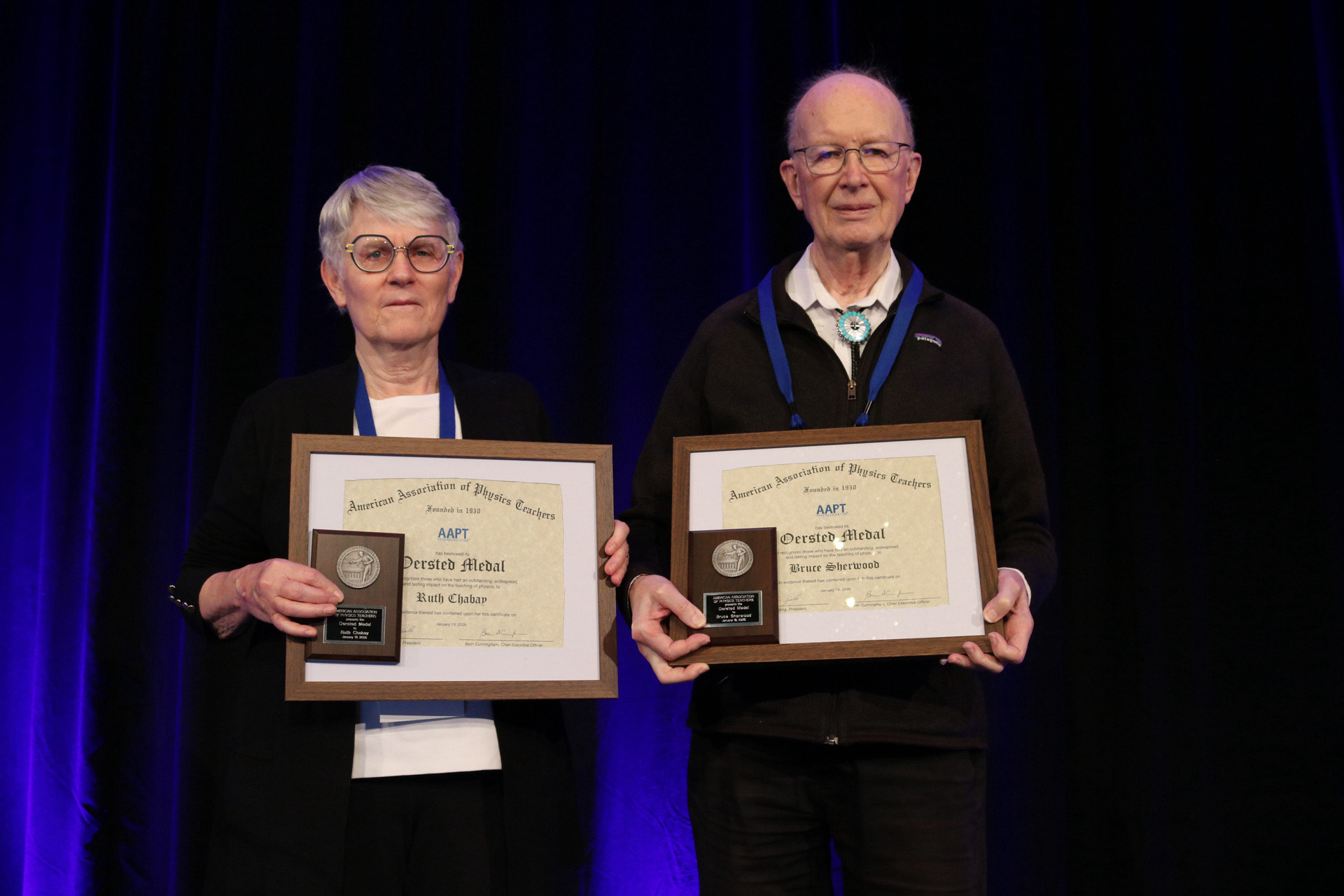 The 2026 Hans Christian Oersted Medal was presented to Ruth Chabay and Bruce Sherwood. Their talk, Going Against the Flow, they taught that curriculum change is hard. Changes to the content and perspective of the introductory physics course, in particular, are often met with skepticism, attachment to incorrect physics, nervousness about new ways of thinking, and simple resistance to change. Yet this semester thousands of students in introductory physics courses are constructing computational models based on fundamental physics principles, including rest energy changes in homework problems, and discussing the role of charge on the surface of wires in DC circuits. In this talk we’ll reflect on some of the events, discussions, and experiences that have shaped our work over thirty-five years as we endeavored to bring a 21st century perspective to introductory physics and to empower students to apply fundamental principles to complicated systems.
Chabay earned a Ph.D in physical chemistry from the University of Illinois at Urbana-Champaign. She is Professor Emerita in the Department of Physics at North Carolina State University and has also taught at the University of Illinois at Urbana-Champaign, Carnegie Mellon University, High Point University, and the University of North Texas. She is a Fellow of both the American Physical Society and AAPT.
Sherwood’s Ph.D is in experimental particle physics from the University of Chicago. He is Professor Emeritus in the Department of Physics at North Carolina State University. He has also taught at Caltech, the University of Illinois at Urbana-Champaign, and Carnegie Mellon University. He is a Fellow of the American Physical Society, AAPT, and AAAS.
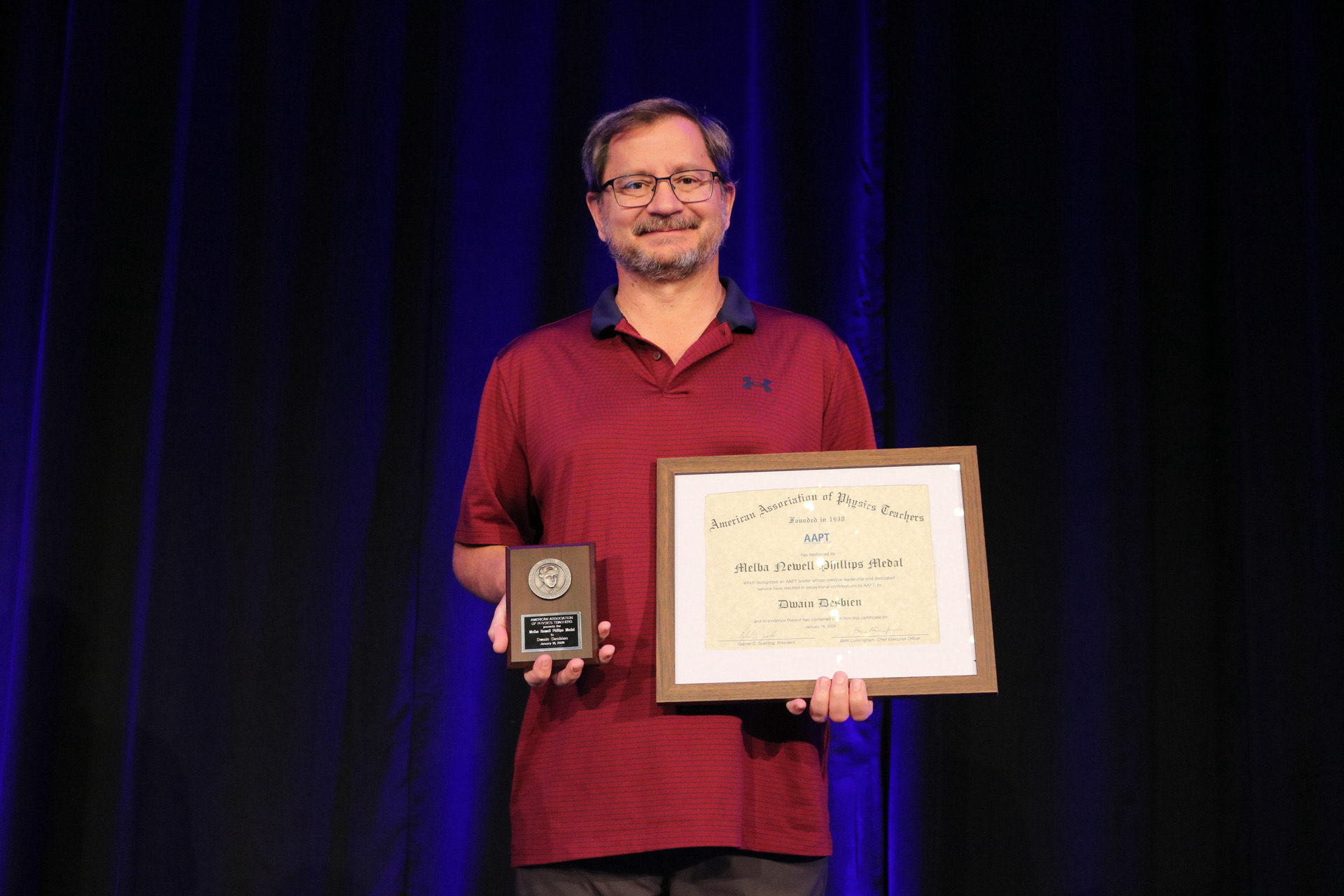 Dwain Desbien, Estrella Mountain Community College, received the 2026 Melba Newell Phillips Medal. In his talk, “I never planned on being a leader, how did this happen?” he reflected on what to say on being awarded the Melba Phillips Medal, it occured to me that I had never sought out to be a leader, it just seemed to happen. However, as I thought about it more I realized I was guided and shown the way by many AAPT members and physics education leaders along the way. They showed me by being great leaders themselves and inspired me to take roles I never thought about before. At times their actions were overt like you should consider doing this, to just seeing them lead and wanting to help. This talk he shared his experiences with some of these leaders and how I hope I might be able to guide those around me currently to take up leadership roles within AAPT and in the broader physics education community. He also shared how AAPT can and should continue to play an important role in every physics educators career.
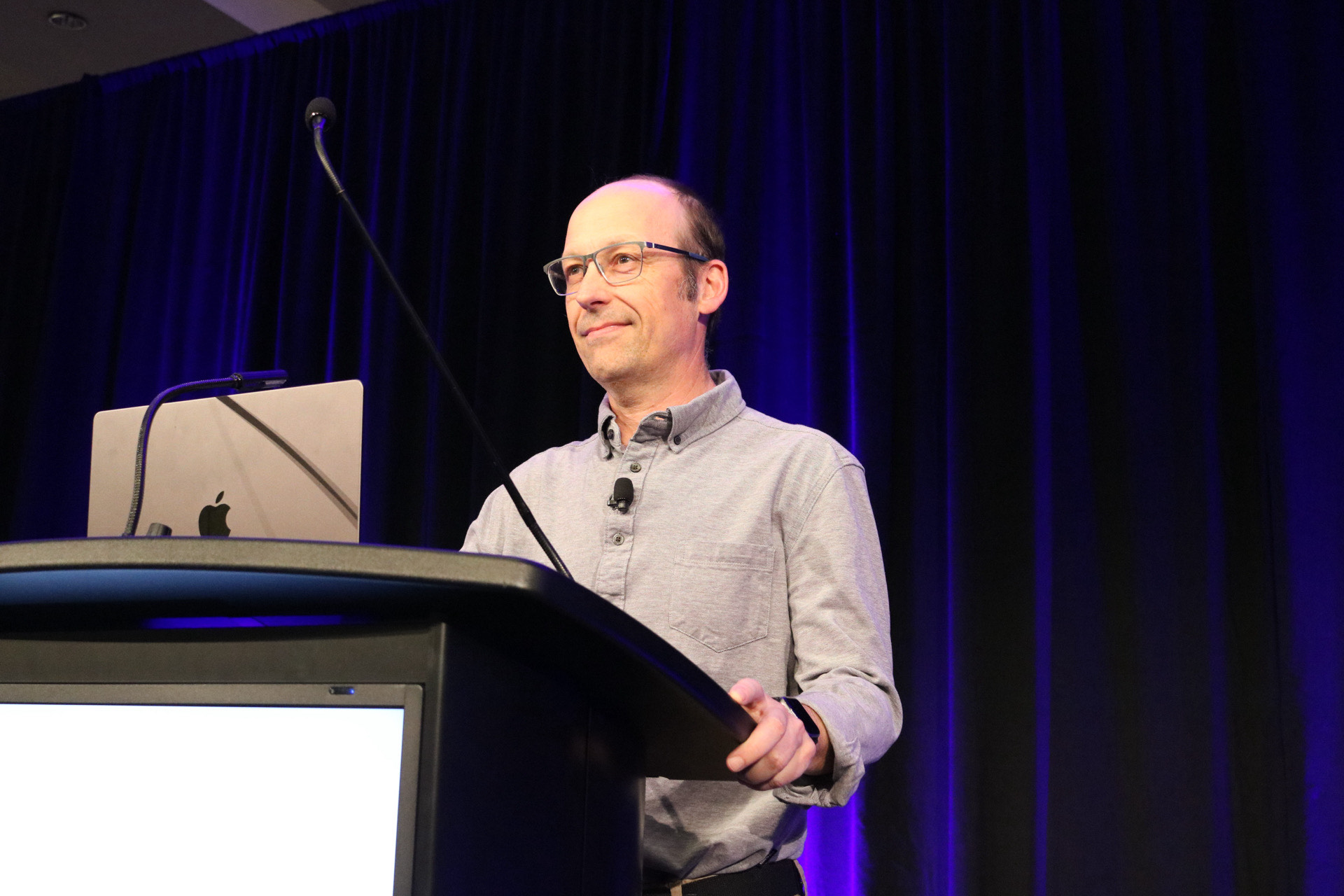 Rhett Allain, Southeastern Louisiana University, received Richtmyer Memorial Lecture Award. He talked about Physics Beyond the Textbook: Finding Interesting Problems in the Real and Not So Real World. He noted that Physics courses often rely on traditional problems, from inclined planes to basic circuits. But for an engaging and more profound understanding of physics, we can look to the real world—and the non-real world of science fiction and popular media.
In this talk, he explored some of his favorite unconventional physics questions: How difficult would it be to fly a human-powered helicopter? Could a super-powered person actually throw someone into space? How fast are the blaster bolts in Star Wars?
These are not questions you'll find in a standard textbook, but they provide a rich opportunity for applying physics in creative ways. He demonstrated how modern tools like numerical calculations in Python and video analysis can be used to tackle these problems, transforming a seemingly silly question into an insightful and engaging lesson. By doing so, we can inspire a deeper curiosity about how the world works and create more fun and meaningful problems for students.
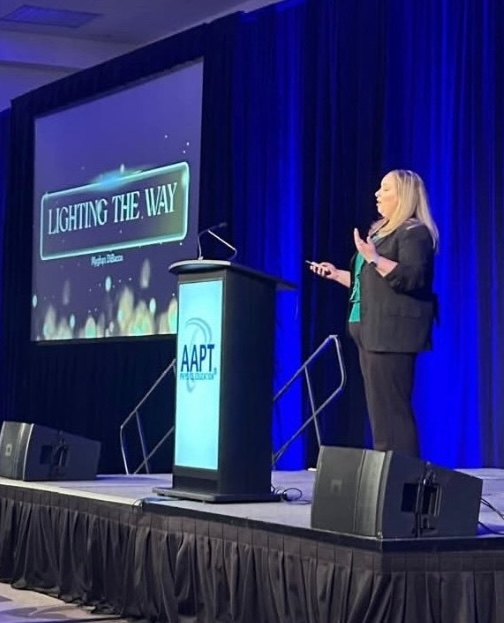 Meghan DiBacco, Jordan High School-Katy-ISD was the 2026 recipient of the Doc Brown Futures Award. In her talk, Lighting the Way, Dibacco noted that every student remembers the teacher who first ignited their spark and encouraged them to persevere when they faced a challenge. For educators, the story is similar; we can all look back and find the mentor who believed in us, the colleague who offered guidance, or the community that kept our passion alive. In physics education, we often work in isolation or within small teams, but our best work emerges when we connect, collaborate, and lift each other up. The energy of great teaching is never lost; it is shared, passed forward, and used to light the way for others.
The Doc Brown Futures Award recognizes early-career members who demonstrate excellence in their contributions to AAPT and physics education and exhibit the potential to serve in an AAPT leadership role.
Homer L. Dodge Citations for Distinguished Service to AAPT
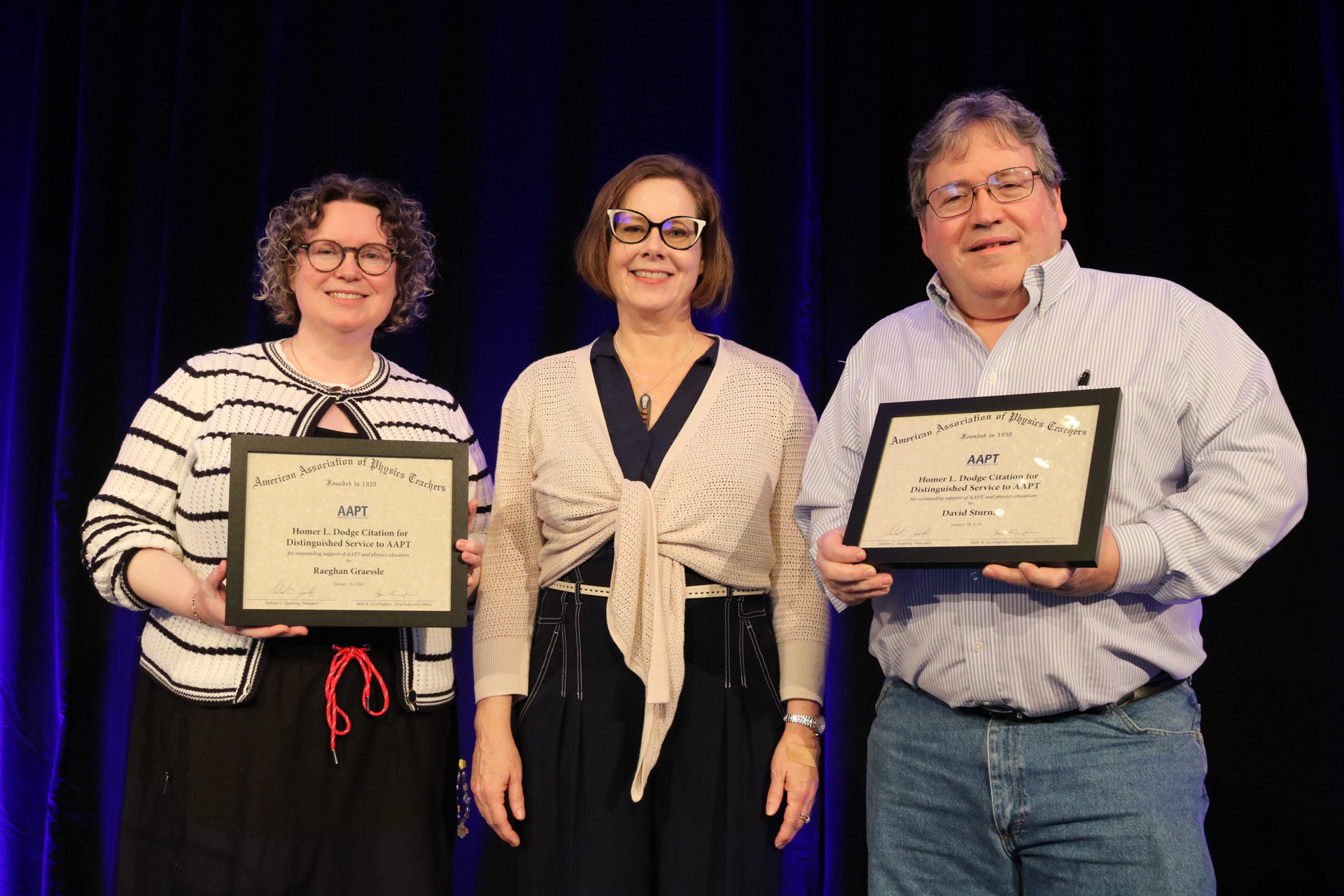
Raeghan Graessle received the Homer L. Dodge Citation for Distinguished Service to AAPT during the 2026 Winter Meeting. She is an associate professor of physics in the Math and Science Division at William Rainey Harper College in Palatine, IL. Graessle is recognized for her exceptional service and leadership to AAPT community members. A member of AAPT since 2016, she has taught physics first at high school and currently at a community college. She has been extremely active in AAPT at both the sectional and the national levels. She has been Vice President and President of the Chicago Section of the AAPT, shepherding the organization through pandemic lockdown challenges. She has served with dedication, vision, and creativity. As President of the Chicago Section, she expanded community engagement, organized impactful meetings, and introduced innovative teaching workshops. Nationally, she has contributed through the Committee on Physics at Two-Year Colleges, OPTYCs leadership, and mentoring new faculty. She is widely admired for her equity-focused pedagogy, engaging workshops, and tireless mentorship of colleagues and students alike.
David Sturm received the Homer L. Dodge Citation for Distinguished Service to AAPT during the 2026 Winter Meeting. He is the instructional laboratory and lecture demonstration specialist for the University of Maine Department of Physics and Astronomy. Sturm was recognized for “his exceptional service, leadership, and mentorship of AAPT community members. David has encouraged and guided many new and early career members to become leaders in the Association. He has served AAPT with distinction at both the national and section levels, including leadership in the New England Section, on the Board of Directors, and in key roles with PIRA, ALPhA, and PTRA. He has played a vital role in strengthening ties between the national organization and its sections, and his dedicated work on the Nominating Committee has ensured strong leadership for AAPT’s future.”
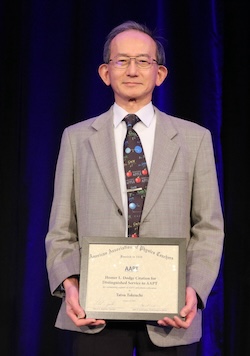 Tatsu Takeuchi received the Homer L. Dodge Citation for Distinguished Service to AAPT. He is a professor of physics at Virginia Polytechnic Institute and State University, Blacksburg, VA. Takeuchi was recognized for “exemplary work in greatly expanding the reach of the Chesapeake Section of AAPT by running extraordinarily successful section meetings and by modernizing the bylaws and administrative status of the section. His work in the Executive chain is a model for all sections of AAPT.”
Krista E. Wood received the association’s Homer L. Dodge Citation for Distinguished Service to AAPT during the 2026 Winter Meeting. Wood is a professor of physics at the University of Cincinnati Blue Ash College, Cincinnati, OH. She was recognized for her sustained service, mentorship, and vision to the AAPT community. Dr. Wood has provided exemplary leadership at both the regional and national levels of AAPT. As president of the Southern Ohio Section, she revitalized governance, strengthened community bonds, and welcomed new members with generosity and care. Nationally, she served with distinction as Member-at-Large for Two-Year Colleges on the AAPT Board of Directors, as a mentor for new and mid-career faculty, and as a leader in OPTYCs and the New Faculty Development Series.”
Fellowships Awarded at Winter Meeting
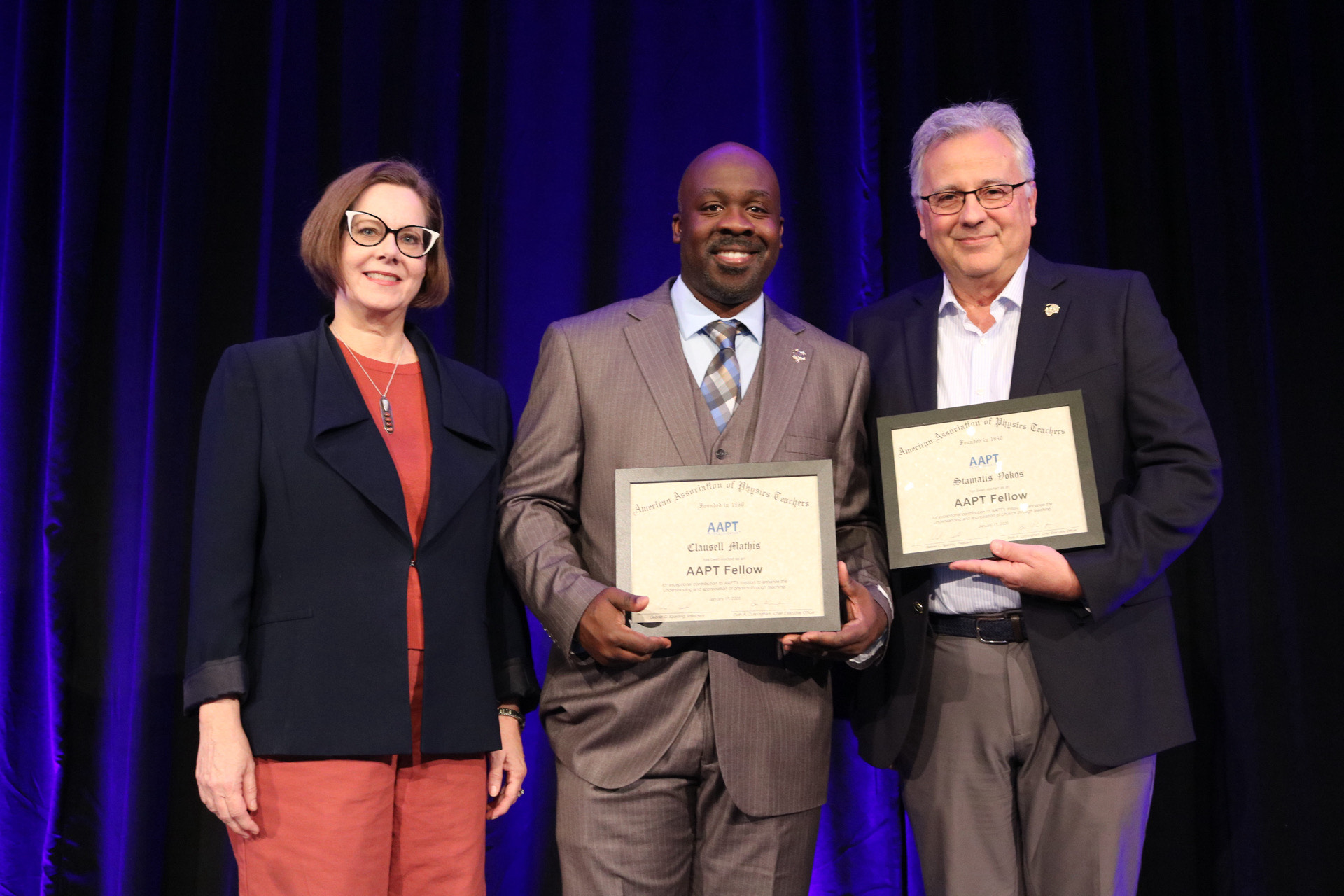
Clausell Mathis is an assistant Professor at Michigan State University, where he has a joint appointment with Lyman Briggs College and the Department of Teacher Education, East Lansing, MI.
Citation: “Dr. Clausell Mathis is recognized as an AAPT Fellow for his extraordinary impact on the physics education community. His scholarship has advanced new ways of understanding how students and teachers engage with physics, shaping both classroom practice and national conversations in physics education research. At Michigan State University, he has developed innovative curricula and mentored learners at all levels, including undergraduates, graduate students, and postdoctoral scholars. He has also worked with high school teachers across the country, extending his influence well beyond AAPT’s membership. Through his research, leadership, mentorship, and service, Dr. Mathis has become a role model for effective and meaningful engagement, leaving a lasting mark on AAPT and the broader community of physics educators.”
Stamatis Vokos is a professor of physics at California Polytechnic State University, San Luis Obispo (Cal Poly), where he codirects the STEM Teacher and Researcher Program.
Citation: “Dr. Stamatis Vokos is recognized as an AAPT Fellow for his exceptional scholarship, leadership, and principled service to the physics education community. Through his groundbreaking research on student learning, extensive contributions to teacher preparation, and decades of leadership within AAPT and beyond, he has profoundly shaped physics education and inspired generations of educators. Equally impactful, Dr. Vokos has distinguished himself as a principled advocate for colleagues, especially those in vulnerable or less visible positions. His wisdom, humility, and dedication to equity have made him a trusted role model and champion for others.”
Presidential Transfer
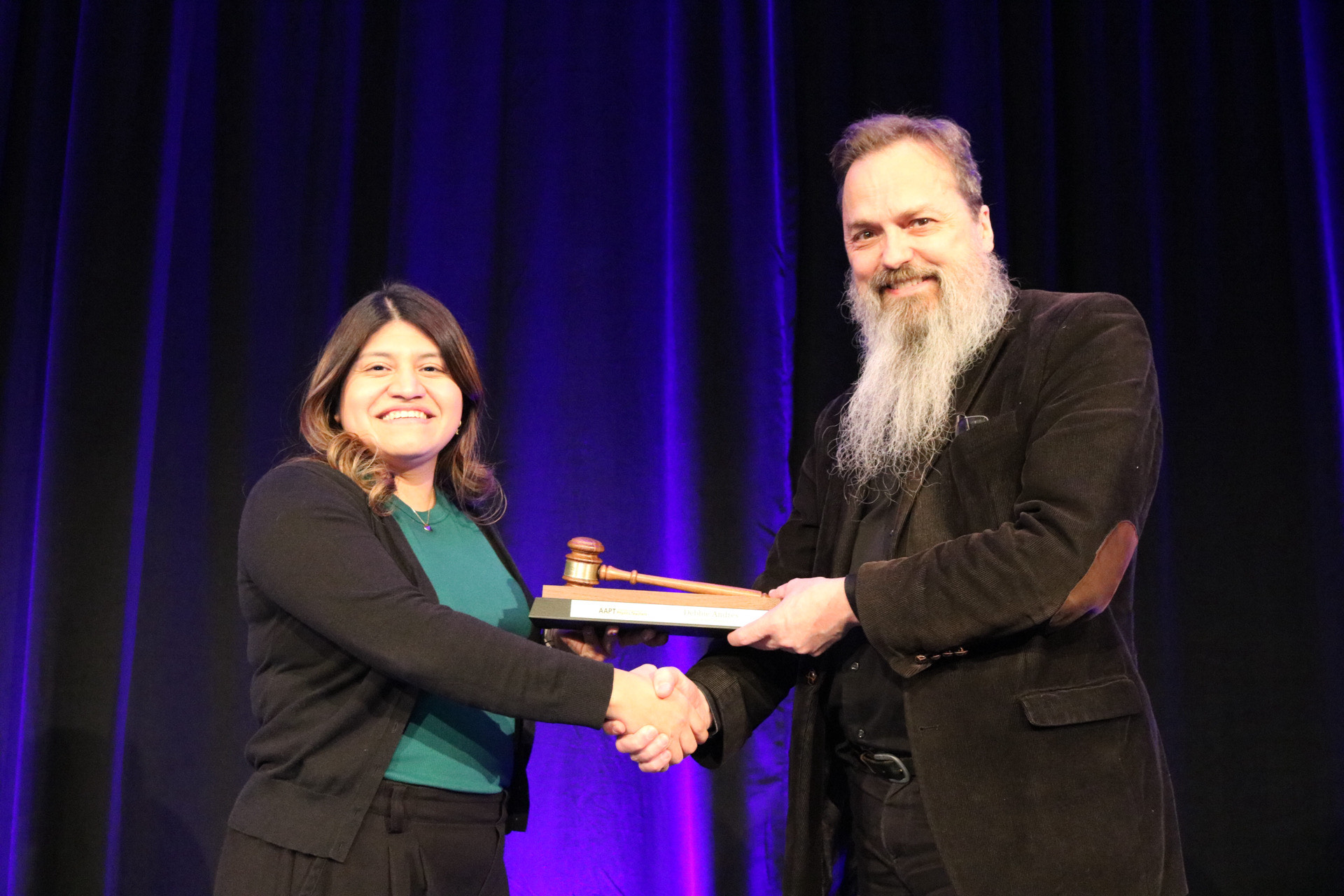
The meeting concluded with the Presidential Transfer where Gabriel C. Spalding turned the Presidential Gavel over to incoming president, Debbie Andres.
 |